Bass Lessons in Los Angeles
Electric or upright bass — groove, theory, and technique for all styles.
Private bass lessons in Los Angeles
Bass Lessons for Kids, Teens, and Adults
Take Sessions matches bass students with Los Angeles musicians who understand groove, tone, theory, and the role bass plays in a band. Beginners can build finger strength, clean technique, and simple bass lines, while advancing players can work on walking bass, slap technique, improvisation, reading, auditions, recording, or live performance.
Lessons are available in studio settings and online for students across Santa Monica, Beverly Hills, Culver City, West Hollywood, Brentwood, Westwood, Sherman Oaks, Studio City, Venice, Woodland Hills, and nearby Los Angeles neighborhoods.
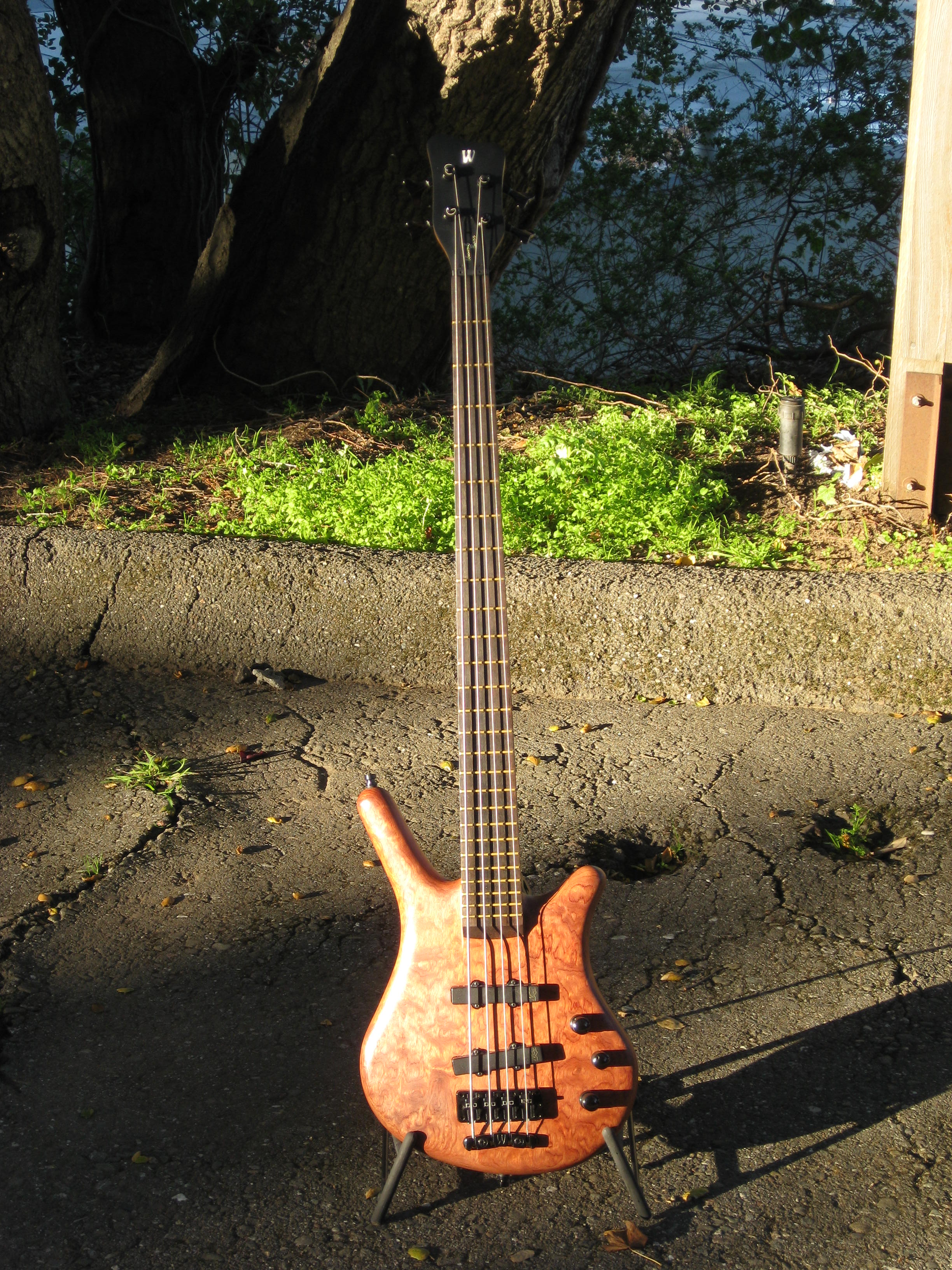
Our bass lessons cover both electric and upright bass across rock, jazz, funk, R&B, and more. You'll learn groove construction, walking bass lines, slap technique, music theory, and how to lock in with a band.
How Bass Lessons Work
Choose electric or upright bass, studio or online, then get matched with a musician who can turn technique, theory, timing, and songs into a clear practice plan.
Studio Bass Lessons
Learn electric bass or upright bass in a focused studio setting where your musician can hear timing, tone, muting, articulation, and groove clearly.
Online Bass Lessons
Online bass lessons work well for students with an instrument, amp or interface, and a quiet setup. Your musician can guide technique, songs, theory, and weekly practice goals from home.
Electric and Upright Bass
Students can focus on electric bass, upright bass, short-scale beginner instruments, jazz walking lines, slap technique, rock grooves, R&B pocket, or a flexible mix.
Bass curriculum
What You Will Learn in Bass Lessons
Bass lessons balance rhythm, harmony, tone, and practical musicianship so students can hold down the groove and understand how songs work.
- Fingerstyle technique, pick technique, muting, posture, tone, and clean articulation
- Groove, time feel, subdivisions, locking in with drums, and metronome practice
- Scales, arpeggios, chord tones, intervals, Nashville numbers, and practical theory
- Walking bass lines, slap bass, fills, riffs, bass lines, and improvisation
- Rock, jazz, funk, R&B, pop, blues, country, Latin, and singer-songwriter styles
- Reading notation, tablature, chord charts, song forms, auditions, and band prep
Bass Musicians in Los Angeles

Bass Lesson Pricing
Bass lesson pricing is transparent, with no long-term contract required. Choose studio or online lessons in the duration that fits your goals, instrument, and practice routine.
| Format | Duration | Per Lesson | Package |
|---|---|---|---|
| Private In-Person | 30 min | $55 | 4 for $200 |
| Private In-Person Popular | 45 min | $75 | 4 for $280 |
| Private In-Person | 60 min | $95 | 4 for $360 |
| Private Online | 30 min | $45 | 4 for $160 |
| Private Online Popular | 45 min | $65 | 4 for $240 |
| Private Online | 60 min | $85 | 4 for $320 |
Bass Lesson FAQs
Is bass a good first instrument, or should I learn guitar first?
Should I start on electric bass or upright (stand-up) bass?
Can kids play bass, or is it too big for small hands?
What's the difference between bass lessons and guitar lessons?
Do bass players really need to learn music theory?
How much do bass lessons cost in Los Angeles?
Is bass a good first instrument?
Should I learn electric bass or upright bass?
Can kids take bass lessons?
What is the difference between bass and guitar lessons?
Do bass players need music theory?
Find Bass Lessons Near You
We offer bass lessons across Los Angeles. Choose your neighborhood.